
Raymarine Sailing Instruments

Raymarine i40, i50 and i60 depth, speed and wind displays, i70s instrument displays and system packs, and ST60 masthead wind transducers. Click here to read more.
-

-
-
-
-

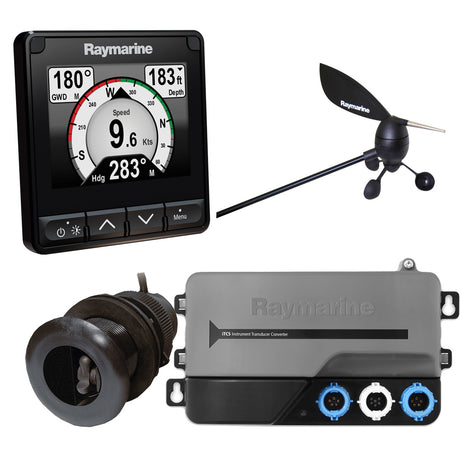
Raymarine i70s System Pack (Color Display, Wind, DST Transducers, iTC-5, 3M Backbone, T-Piece)
RAY-T70216
$1,759.99 USDUnit price /Unavailable -
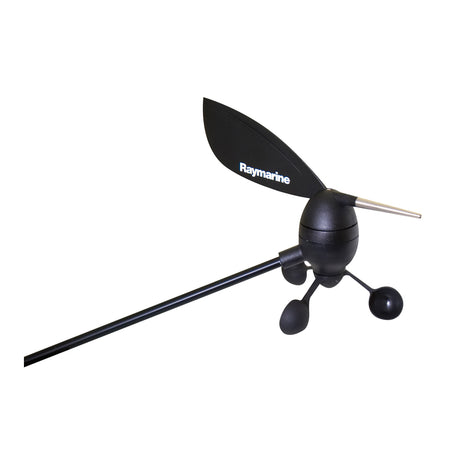
Raymarine Masthead Only Wind Arm Vane & Cups (ST60 Compatible)
RAY-R28170
$429.99 USDUnit price /Unavailable -
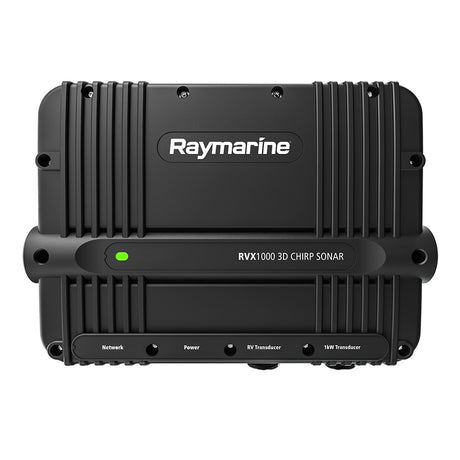
Raymarine RVX1000 3D Chirp Sonar Module (Black Box, High-Performance)
RAY-E70511
$1,199.99 USDUnit price /Unavailable -
Raymarine CP470 CHIRP Sonar Module (Professional, NMEA 2000)
RAY-E70298
$1,539.99 USDUnit price /Unavailable -
Raymarine i60 Wind Display (Masthead Wind Vane Transducer)
RAY-E70150
$1,099.99 USDUnit price /Unavailable -
-
Raymarine i40 Bidata Display (Thru-Hull Transducers)
RAY-E70145
$472.99 USDUnit price /Unavailable -
Raymarine i40 Depth Display (Transom Mount Transducer)
RAY-E70143
$364.99 USDUnit price /Unavailable -
-
-
-
-
-
-
Raymarine ST60 Long Arm Masthead Transducer (30m Cable)
RAY-E22079
$749.99 USDUnit price /Unavailable



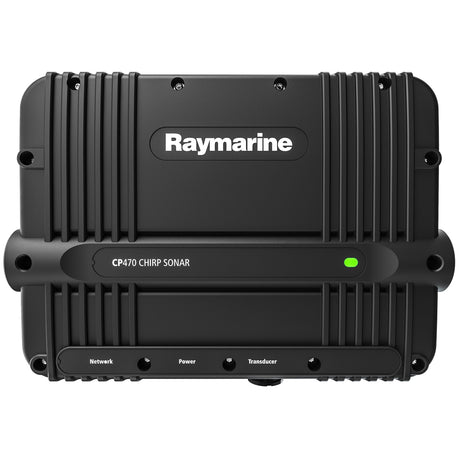

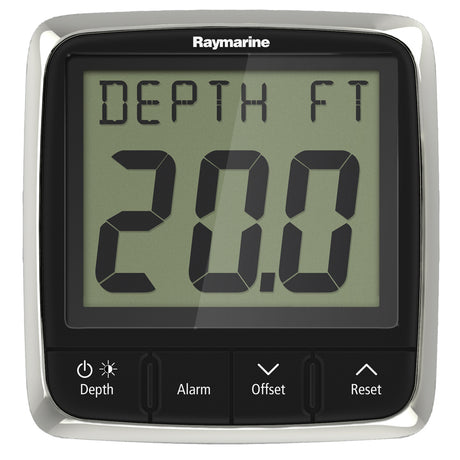
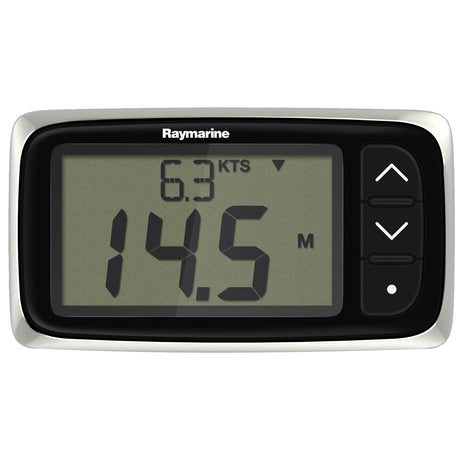


Raymarine Sailing Instruments: i40, i50, i60 and i70s Displays, Wind Transducers and System Packs
A sailing instrument system is a set of sensors — depth, boat speed, wind — and the displays that read them at the helm. This collection is Raymarine's instrument side: the i40, i50, i60 and i70s displays, the ST60 masthead wind transducers, the iTC-5 converter and complete i70s system packs. The choice comes down to what you want to read (depth, speed, wind or all three), which network your boat already runs (SeaTalk, SeaTalkng or NMEA 2000) and whether you are adding to an existing system or starting from bare sensors.
Raymarine Instrument Families in This Collection
- i40 depth and bidata: compact displays with just three control buttons, extra-large digits and red backlighting, running on 12V DC and drawing less than 0.4 W. Depth versions offer shallow and deep depth alarms, shallow and deep anchor alarms and a depth offset, so you can read from the waterline instead of the transducer. Choose the i40 Depth with thru-hull transducer, the i40 Depth with transom-mount transducer, or the i40 Bidata with thru-hull transducers, which puts depth and speed in one display. The i40 Bidata display is the display-only option.
- i50 speed, depth and tridata: SeaTalkng and original SeaTalk 1 connectivity, built-in transducer connections, red backlighting and IPX6 waterproofing. The i50 Speed shows speed through the water, GPS speed over ground, VMG, average and maximum speed, log and trip distance, water temperature, a count-up timer and two race-start timers. The i50 Depth and the i50 Depth with thru-hull transducer add depth alarms and anchor alarms. The i50 Tridata combines speed, depth and temperature on three lines for helms short of space.
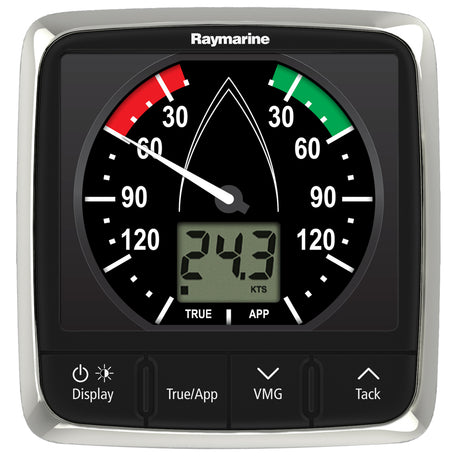
- i60 wind: an analog-style dial with a digital readout of wind speed, direction, Beaufort, maximum wind speed, VMG and tack, plus alarms for high and low apparent wind angle, low true wind speed and maximum true wind speed. The i60 Wind is the display; the i60 Wind with masthead wind vane transducer adds the short-arm vane with a 30 m (97.5 ft) cable.
- i70s: a 4.1 inch screen with digital, analogue and graphical pages for depth, speed, wind and engine data, plus an AIS repeater page for up to 25 nearby vessels. See the i70s display, or the system packs below.
- i70s system packs: the i70s System Pack (Wind, Depth, Speed) and the larger i70s System Pack, which per its title adds wind and DST transducers, an iTC-5, a 3 m backbone and a T-piece.
- Wind transducers and spares: the ST60 Wind Vane Transducer and the ST60 Long Arm Masthead Transducer, both with 30 m cables, and the masthead wind arm, vane and cups for ST60 and i60 wind displays.
- Converter: the iTC-5 converts the five common analog transducer signals — depth, speed/temperature, wind, compass and rudder — to SeaTalkng.
Which Display: Depth, Speed, Wind or Everything
- One job per display: i40 or i50 for depth and speed, i60 for wind. They share the same style, so you can mix them across the helm.
- Short of room: a Bidata (i40) or Tridata (i50) puts two or three readings in one housing.
- Racing: the i50 Speed adds VMG and two race-start timers, and the i60 Wind adds VMG, tack and true wind data.
- Everything on one screen: the i70s lets you choose digital, analogue or graphical pages and pick the data source for each. Its title says multi-function, but it is an instrument display, not a chartplotter — for charts see the Raymarine chartplotters.
- Autopilot match: Raymarine's p70 controllers share the styling of these instruments; see the p70s autopilot controller and the Raymarine autopilots.
Network, Sensors and Upgrading Older Instruments
- SeaTalk, SeaTalkng or NMEA 2000: the i50 and i60 support SeaTalkng and original SeaTalk 1. The i70s connects to SeaTalkng directly, to first-generation SeaTalk with an adapter cable, and to an NMEA 2000 backbone with a SeaTalkng to DeviceNet adaptor. The i40 is described as SeaTalk-compatible.
- Analog transducers: the i50 and i60 connect analog depth, speed and wind transducers directly, or act as repeaters for SeaTalkng smart transducer data. For an i70s, the iTC-5 brings legacy ST30, ST40, ST50, ST60, ST80 and ST290 transducers onto the network. The i70s also takes Airmar DST800 and P79s smart transducers.
- Replacing ST60+ displays: the i60 has the same 110 mm x 115 mm footprint as the older ST60+ instruments.
- Power and mounting: i40, i50 and i60 run on 12V DC; the i50 and i60 draw under 1 W as repeaters and 2.4 W while hosting a transducer. Each comes with a low-profile surface mount and a silicone sun cover; a bracket kit is a separate item. To group displays on a rail or pedestal guard, see our guide How to Choose NavPod Instrument Pods and Housings and the NavPod SystemPods for Raymarine.
Who It's For
Owners adding depth, speed or wind to a cruiser, racers who need VMG and start timers at the helm, and refit projects replacing ST60+ or other older Raymarine instruments. If your boat needs a new depth sensor, the in-hull P79S smart sensor is listed for solid fiberglass hulls of boats up to 8 m (25 ft), and more sensors are in the Raymarine transducers collection.
Frequently Asked Questions
What is the difference between the i40, i50, i60 and i70s?
The i40 is the compact depth and bidata display. The i50 adds SeaTalkng and SeaTalk 1 connectivity, built-in transducer connections and, on the speed version, race-start timers. The i60 is the wind display. The i70s is a 4.1 inch screen with digital, analogue and graphical pages that you set up for depth, speed, wind and engine data.
Is the Raymarine i70s a chartplotter?
No. It is a multifunction instrument display: it shows depth, speed, wind and engine data and can repeat AIS targets from an NMEA 2000 AIS receiver, but it does not show charts. For navigation with charts, see Raymarine chartplotters.
Can I use my old ST60 sensors with new displays?
The i50 and i60 connect analog depth, speed and wind transducers directly. For an i70s, add an iTC-5, which converts analog depth, speed, wind, compass and rudder signals to SeaTalkng and works with legacy ST30 to ST290 series transducers.
What do I need to display true wind?
Apparent wind comes from the masthead wind transducer alone. For true wind, the i60 needs a compass or autopilot and a speed instrument on the network as well.
Do these instruments work with NMEA 2000?
The i70s does, through a SeaTalkng to DeviceNet adaptor, and it can show AIS targets and engine data from the NMEA 2000 backbone. Check the network on your boat first and order the adapter cable with the display.