
B&G Sailing Instruments

B&G sailing instruments: Triton2 and Nemesis displays, WS310 wired and WS320 wireless wind sensors, DST810 speed/depth packs and the Triton Edge sailing processor. Click here to read more.
Not sure which B&G part fits your system? See our B&G Compatibility Hub — a which-part-fits-which-system guide to wind sensors, interfaces, cables, displays and masthead spares, from the full-range B&G dealer.
-

-

-
-
-
-
-
-
-
-
-

B&G WS310 Wired Wind Sensor w/35M Cable & Interface Cable
BNG-000-14843-001
$759.99 USDUnit price /Unavailable -
-
BNG-000-14957-002
$2,309.00 USDUnit price /Unavailable -
B&G Triton² Digital Display (4.1" Display, NMEA 2000)
BNG-000-13294-001
$629.00 USDUnit price /Unavailable -
-
-
-
-
-





B&G Sailing Instruments: Triton2 and Nemesis Displays, Wind Sensors, Speed/Depth Packs and Processor
A sailing instrument system is three things on one NMEA 2000 network: a display you read at the helm or on the mast, the sensors that feed it (wind, speed, depth, temperature, heading), and, if you want race-grade calibration, a sailing processor. This collection carries B&G's cruiser and club-race line in all three groups. The choices that matter are which display family you want, wired or wireless wind, and whether you start from a ready-made pack.
Displays in This Collection
- Triton2: a 4.1 in colour display, optically bonded and transflective so it stays readable in direct sunlight, standing 8 mm proud of the panel. The listing gives IPx7, 12V DC (10 to 16V), 1.4 W typical and a single NMEA 2000 Micro-C connection that carries power and data. It shows any data on the network, including the SailSteer page with laylines, and AIS targets. Start with the Triton2 digital display. With the Triton2 pilot keypad, the display also controls a B&G autopilot.
- Nemesis: a touch-screen sailing display you can mount in portrait or landscape, with a drag-and-drop editor and automatic modes for upwind, reaching, downwind, pre-start, motoring and pilot status. The Nemesis 9 is 1280 x 720 at 1300 nits, 239 x 149 x 69 mm; the Nemesis 12 is 1280 x 800 at 1500 nits, 310 x 208 x 72 mm. Both are IP67 on 10 to 32V. The Nemesis Hub combines two or more Nemesis 9 or 12 displays.
- Digital data display: the 30/30 HV display pack is a lightweight display with 63 mm high digits, listed for focus areas or as a mast display, for Triton and H5000 systems.
Sensors: Wind, Speed, Depth and Heading
- Wired wind, WS310: a masthead sensor that needs a mast cable. The WS310 wind pack includes the sensor, the wired interface that connects it to NMEA 2000, and a 20 m (65 ft) WS300-series cable. Longer runs use the 35 m (115 ft) cable.
- Wireless wind, WS320: no cable through the mast, so it suits retrofits and smaller boats. B&G lists the same wind angle and speed accuracy as the wired version, output five times a second, and a rechargeable battery. See the WS320 wireless wind sensor; the wireless interface is listed separately.
- Networked wind, 608: the 608 wind sensor (sensor only, no cable) is listed for Triton2 and Triton T41 systems and fits the mast cables and brackets of the older 508 and IS20 sensors.
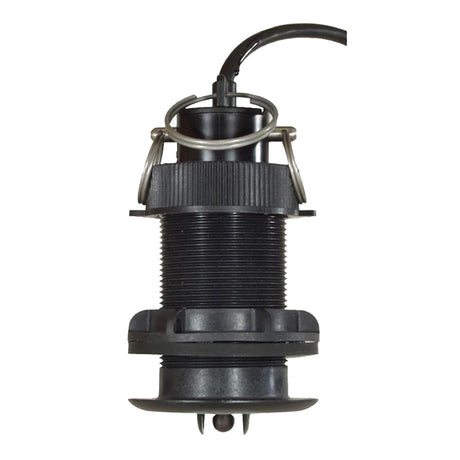
- Speed, depth and temperature: the DST810 is a single through-hull multisensor. The listing gives paddlewheel accuracy below 5 knots and a fan-shaped beam that finds the bottom on a heeling sailboat. It comes in the Triton2 packs below.
- Heading, heel and trim: the ZG100 GPS antenna with built-in compass supplies heading, heel and trim and is part of the Sail Performance Sensor Pack.
- Older systems: the H3000 speed sensor (plastic, flush) is listed for WTP3 and H3000 systems. The 213 masthead unit is a service replacement; its listing does not recommend it for new systems and points to the WS300 and WS700 ranges instead.
Starter Packs
- Triton2 Speed/Depth pack: Triton2 display, DST810 and a Micro-C backbone kit.
- Triton2 Speed, Depth and Wireless Wind pack: adds the WS320 wireless wind sensor and its interface to the display, DST810 and backbone kit.
- Sail Performance Sensor Pack: WS320 with interface, DST810, ZG100 GPS antenna with compass, the Micro-C backbone kit and 2 m and 5 m NMEA 2000 cables.
Triton Edge Sailing Processor
The Triton Edge adds calculations the displays do not do on their own: start line calculations, true wind with auto-calibration, boat speed calibration and correction, wind correction for heel and trim, and polar tables for target speed. It connects by NMEA 2000, Wi-Fi and Ethernet, runs on 12V or 24V, works with Triton2 and Nemesis displays and with B&G Zeus and Vulcan chartplotters, and records data for review in the B&G app.
How to Choose
- Triton2 or Nemesis: Triton2 is the compact, low-draw instrument (150 mA, 8 mm profile) for a helm or bulkhead. Nemesis is the larger, touch-screen, fully customisable display for a mast or helm station, and the Hub combines two or more of them. If you already own Triton2 displays, adding sensors or a Triton Edge is simpler than changing family.
- Wired or wireless wind: choose the WS310 if you have, or will run, a mast cable. Choose the WS320 if you do not want a cable down the mast. Either way you need the matching interface to get the data onto NMEA 2000.
- Pack or individual parts: a pack is the shortest route to a working speed, depth and wind system. Buy parts separately when you are extending an NMEA 2000 network you already have.
- Add chart or pilot later: the same network feeds B&G chartplotters, autopilot parts and radars.
Spares for Existing Wind Sensors
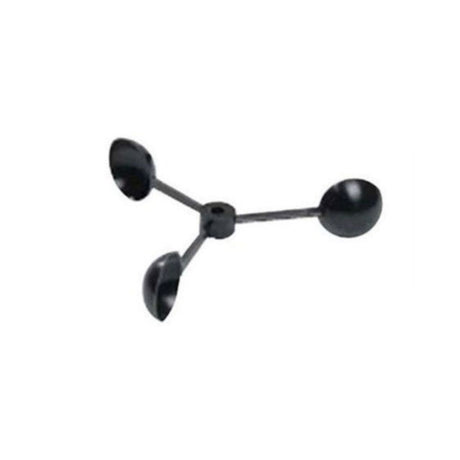
For tired sensors, the collection lists the WS300 MHU speed bearing (listed as compatible with the WS310, WS320, WS700 series, 608, 508, 213 and 496), the wind vane assembly for WS300 and WS700, wind speed cups, a replacement WS320 battery and display sun covers. Browse the wind sensor range in the W series.
Who It's For
Cruisers and club racers fitting a first instrument system, owners extending an existing B&G network, and sailors replacing a masthead sensor, bearing or cable on a boat that already has B&G instruments.
Frequently Asked Questions
What is the difference between Triton2 and Nemesis?
Triton2 is a 4.1 in colour display with waterproof buttons and a very low profile; Nemesis is a touch-screen display in two sizes, the Nemesis 9 and Nemesis 12, with drag-and-drop pages and automatic point-of-sail modes. Both show data from your NMEA 2000 network.
Do I choose the wired WS310 or the wireless WS320?
The WS310 needs a cable up the mast; the WS320 does not. The listings give the same accuracy for both. The wireless sensor has a rechargeable battery, and both need their own interface to reach the network.
What do I need for a basic speed, depth and wind system?
A display, a speed/depth/temperature sensor such as the DST810, a wind sensor with its interface, and an NMEA 2000 backbone. The Triton2 Speed, Depth and Wireless Wind pack bundles them.
What does the Triton Edge add?
Start line calculations, auto-calibrated true wind, boat speed calibration, heel and trim wind correction and polar tables, with Wi-Fi, Ethernet and the B&G app for review and set-up.
Can a Triton2 display control my autopilot?
Yes, with the Triton2 pilot keypad it becomes the controller for a B&G autopilot. The autopilot collection lists the keypad and the hydraulic rams in this catalog.